Butter: Elevate Your Projects with Stylish Handwritten Typography
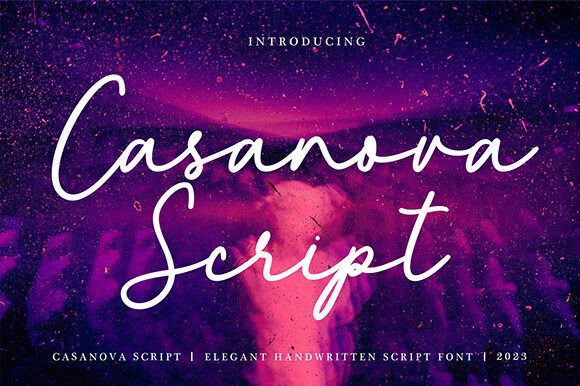
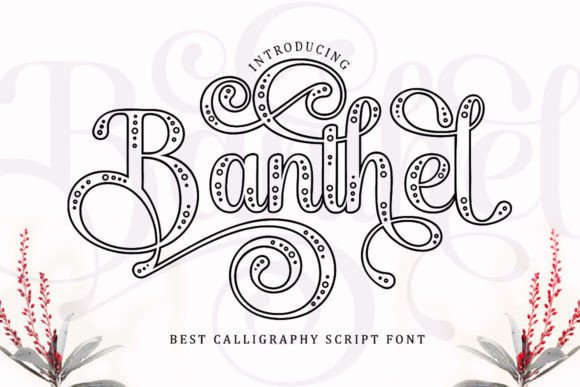
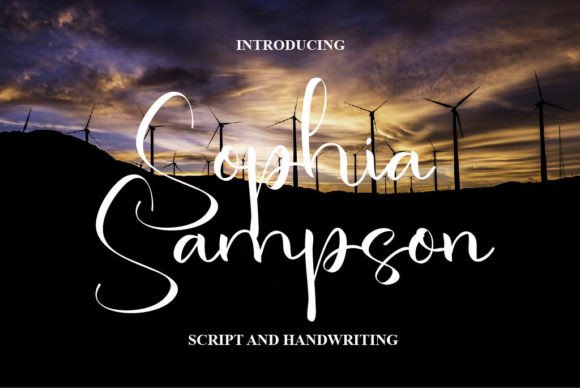
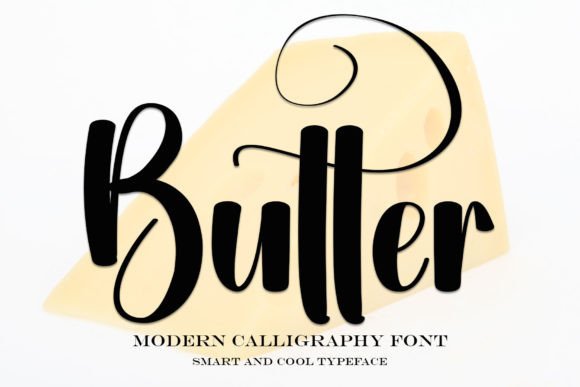
In the crowded landscape of digital content, a typeface that captures both elegance and modernity can be the key to making your work stand out. Butter is a stylish handwritten font with a contemporary atmosphere and impeccable form, inspired by a timeless classic calligraphy. Balanced and varied, this font was designed to enhance the beauty of your projects, offering a unique blend of personal touch and professional polish that resonates across diverse creative applications.
The Role of Distinctive Typography in Modern Design
Typography is a cornerstone of visual communication, directly influencing brand identity, user experience, and the overall effectiveness of a design. A font like Butter serves as more than just a lettering tool; it becomes a strategic asset. Its flowing, yet structured, character helps create a visual hierarchy that guides the viewer's eye, establishing a tone that can feel approachable, luxurious, or authentically handcrafted. For graphic designers and marketers, selecting such a typeface is a deliberate choice to inject personality and warmth into projects, moving beyond sterile, generic fonts to foster a stronger emotional connection with the audience.
Practical Applications for Creative Projects
The versatility of a well-crafted handwritten font makes it suitable for a wide array of design needs. Its contemporary aesthetic ensures it feels current, while its classic calligraphic roots provide a sense of enduring quality. Consider integrating a font like Butter into the following areas to elevate your work:
- Branding and Logo Design: Create logos and brand marks that feel unique and memorable. A handwritten font can convey craftsmanship, personal service, or boutique quality, helping a brand stand apart from competitors using standard corporate typefaces.
- Marketing and Social Media Graphics: From Instagram stories to email headers and digital ads, this font adds a human, engaging element. It improves readability for short, impactful headlines and calls-to-action, boosting visual appeal and user engagement on fast-scrolling platforms.
- Web Design and UI Elements: Use it strategically for hero section text, pull quotes, or navigation menus on lifestyle blogs, artisanal e-commerce sites, or portfolio websites. It enhances the user experience by adding personality without sacrificing clarity, contributing to a cohesive and immersive digital environment.
- Editorial and Packaging Design: In magazine layouts, book covers, or product packaging, handwritten typography can highlight key themes, create beautiful chapter headings, or make product labels feel premium and thoughtful. It works exceptionally well when paired with a clean, sans-serif font for body text, establishing a strong visual hierarchy.
- Presentations and Merchandise: Transform a standard corporate presentation into a compelling story or add a unique flair to merchandise like tote bags, mugs, or stationery. The right typography ensures designs are not only beautiful but also scalable and effective across both print and digital mediums.
Integrating Typography into Your Design Workflow
When selecting and using a creative asset like Butter, thoughtful implementation is crucial for maintaining a professional presentation. Always consider your existing brand system and color palette. A font should complement, not clash with, your other visual elements. Test its readability at various sizes, especially for digital applications where screen resolutions vary. Pair it wisely—contrast a detailed handwritten font with a simple, geometric sans-serif for body copy to maintain balance and ensure the message remains clear. This approach respects core design principles of consistency and audience expectations.
Ultimately, investing in high-quality creative assets is an investment in clear and compelling visual communication. Tools that offer both aesthetic appeal and functional flexibility, like a versatile handwritten font, empower creators to produce work that is not only beautiful but also effective. By making intentional choices about typography and other design elements, you ensure that every project communicates with clarity, personality, and professional sophistication, leaving a lasting impression on your intended audience.