Good Kinds: A Playful Font for Creative Design
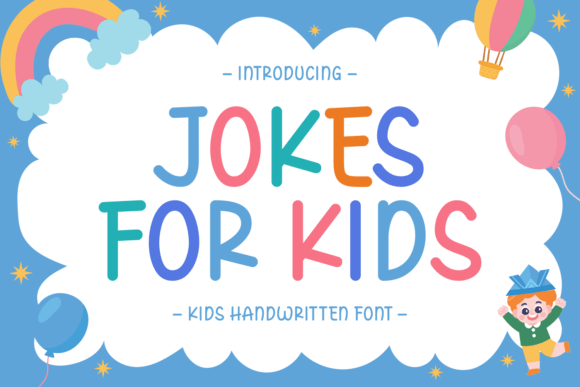
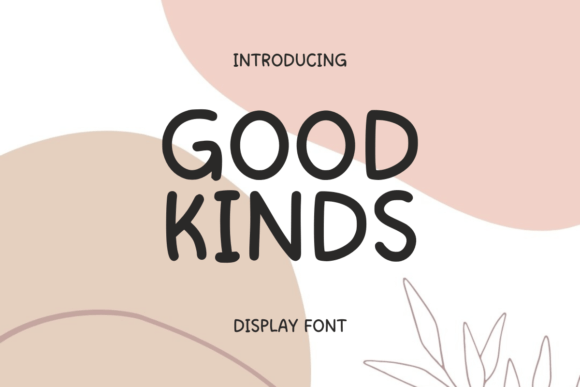
In the crowded digital landscape, a single, well-chosen typeface can instantly convey warmth, personality, and approachability. Good Kinds, a cute and playful handwritten font, exemplifies this power. It’s more than just letterforms; it’s a design asset that injects immediate charm and human touch into any visual project, making it a versatile tool for professionals seeking to create authentic connections.
The Role of Playful Typography in Modern Design
Typography is a cornerstone of visual hierarchy and brand identity. While clean sans-serifs and classic serifs have their place, fonts like Good Kinds serve a critical function: they break monotony, evoke specific emotions, and enhance readability for certain contexts. Its handwritten style suggests creativity, friendliness, and a personal touch, which can be strategically deployed to soften corporate messaging, highlight key information, or create a welcoming user experience in UI design.
Practical Applications Across Creative Projects
The utility of a font like Good Kinds spans numerous domains within graphic design and digital marketing. Its adaptable nature makes it suitable for a wide range of applications where a human-centric feel is desired.
- Branding & Logo Design: Ideal for brands targeting families, children, artisans, or wellness markets. It can form the basis of a logotype or be used in secondary brand marks to add personality.
- Social Media Graphics: Perfect for creating engaging Instagram stories, Facebook ads, or Pinterest pins. Its legibility at smaller sizes makes it great for quotes, callouts, and overlays that need to stand out in a fast-scrolling feed.
- Packaging & Product Design: Adds a handcrafted, premium feel to labels, boxes, and merchandise. Think artisanal food products, boutique cosmetics, or stationery lines where authenticity is key.
- Editorial & Web Design: Use it sparingly for pull quotes, subheadings, or blog post titles to break up dense text and guide the reader's eye. In web design, it can highlight specific sections without compromising overall UX design principles.
- Marketing & Presentations: Enhances email newsletters, brochures, and slide decks by adding a layer of visual interest and approachability, making complex information feel more digestible.
Integrating a Font Like Good Kinds Effectively
Successfully incorporating a distinctive typeface requires thoughtful consideration within your broader design workflow. The goal is to complement, not compete with, your overall visual design system.
First, prioritize consistency and readability. Pair Good Kinds with a neutral, highly legible font for body copy. This creates a clear visual hierarchy, where the playful font draws attention to key elements like headings or CTAs, while the body font ensures message clarity. Always test the font at various sizes and on different backgrounds to ensure it maintains its charm and legibility across print design and digital screens.
Second, consider your color palette and imagery. A playful font pairs best with a color scheme that reinforces its personality—think warm pastels, vibrant accents, or earthy tones. Ensure your imagery style aligns; hand-drawn illustrations or candid photography often work better than overly sterile stock images when using such a font.
Finally, align the font choice with your audience expectations and design goals. While perfect for creative projects, educational materials, or lifestyle brands, it may not be the right fit for formal legal documents or ultra-minimalist tech branding. Understanding the psychological impact of your typographic choices is a key part of professional visual communication.
Thoughtful design is about selecting the right tool for the right job. Quality creative assets like the Good Kinds font are not just decorative; they are strategic components that enhance communication, strengthen brand recall, and create a more engaging and polished final product. By evaluating fonts for their emotional resonance, technical performance, and contextual fit, designers can make informed choices that elevate both the aesthetics and effectiveness of their work.