Lazy Bunny: A Playful Font for Modern Design
In the world of graphic design, typography is the voice of your visual narrative. A well-chosen font can instantly convey tone, emotion, and brand personality. For projects that demand a touch of whimsy, charm, and playful energy, the right typeface becomes an invaluable creative asset. This is where a resource like Lazy Bunny enters the conversation, offering designers a tool specifically crafted to inject joy and approachability into their work.
Understanding the Role of Playful Typography
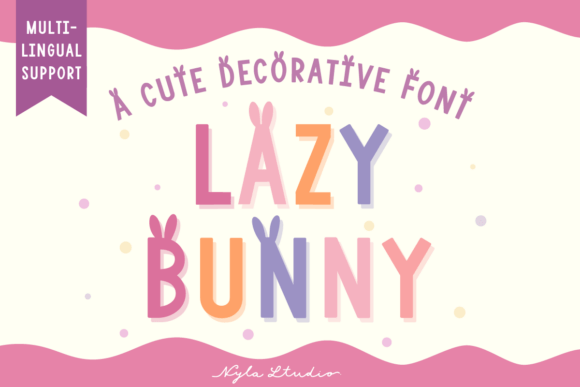
Modern branding and visual communication often strive to connect with audiences on an emotional level. A playful, decorative font like Lazy Bunny serves a distinct purpose in this landscape. It moves beyond mere legibility to become a key element in creating a memorable and engaging user experience. Its rounded, relaxed letterforms evoke a sense of fun and informality, making it ideal for contexts where you want to break down barriers and foster a friendly connection. This isn't just about making things look "cute"; it's a strategic choice in visual hierarchy and brand identity, signaling creativity, youthfulness, and approachability.
Practical Applications for Creative Projects
The true value of any creative asset lies in its versatility and real-world application. A font like Lazy Bunny finds its strength across a wide spectrum of design projects, enhancing both digital and print collateral. Its character shines in applications where personality and visual appeal are paramount.
- Branding & Logo Design: Perfect for brands targeting families, children's products, pet services, bakeries, or any business wanting a warm, welcoming identity. It can form the basis of a logotype or complement a mascot.
- Marketing & Social Media Graphics: Ideal for creating eye-catching social media posts, holiday promotions (especially Easter-themed campaigns), playful quotes, and engaging Instagram Stories or TikTok overlays that stop the scroll.
- Product & Packaging Design: Excellent for labels on artisanal goods, stickers, gift tags, and packaging for confectionery or lifestyle products, adding a handcrafted, delightful touch.
- Event & Editorial Design: Brings personality to invitation cards, greeting cards, posters for community events, and playful editorial layouts in magazines or blogs.
- Digital & UI Elements: Can be used sparingly in user interface design for buttons, headings, or accent text in apps or websites targeting a casual, fun audience, improving engagement through visual delight.
- Merchandise & Promotional Items: Transforms ordinary items like t-shirts, mugs, and tote bags into fun, branded merchandise that resonates with a specific audience.
Tips for Effective Implementation
Integrating a distinctive font into your design workflow requires thoughtful consideration to maintain professionalism and coherence. Here are key factors to evaluate when using a playful typeface:
- Audience & Context: Always align your typography choice with your target audience and the project's message. A playful font is powerful for the right context but may undermine authority in a formal corporate report.
- Readability & Hierarchy: Use decorative fonts for headlines, titles, or short bursts of text. Pair them with a clean, highly readable sans-serif or serif font for body copy to ensure clarity and establish a clear visual hierarchy.
- Consistency in Branding: If used as part of a brand identity, ensure it is applied consistently across all touchpoints to build recognition. Document its usage in brand guidelines.
- Color & Composition: The font's friendly nature pairs well with bright, cheerful color palettes. Ensure sufficient contrast and consider the overall composition to let the typography shine without overwhelming other design elements.
- Scalability & Format: Test the font at various sizes to ensure its character details remain clear. Ensure you have the correct file formats (OTF, TTF, WOFF) for your specific use, whether for print design or web design.
Ultimately, the strength of your creative projects hinges on the synergy between all visual elements. A thoughtfully selected asset like Lazy Bunny does more than fill space; it communicates a specific feeling, strengthens brand storytelling, and can significantly enhance user engagement. By understanding its applications and implementing it with strategic care, designers and creators can leverage such typography to produce work that is not only visually appealing but also emotionally resonant and effective in achieving its communication goals. Quality design is about making intentional choices that serve both form and function.