Randomly: The Display Font with Retro Charm
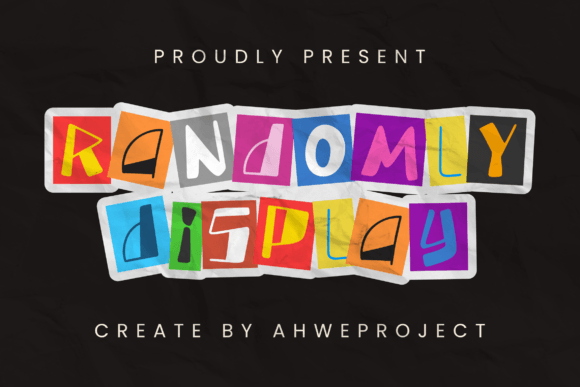
In a world saturated with clean, predictable typography, a font that breaks the rules can be a designer's secret weapon. Enter Randomly, a brilliantly designed display font that immediately captures attention by daring to be different. Each letter in its character set boasts a unique array of sizes, defying standard typographic rules to create a dynamic, handcrafted feel. This isn't just another typeface; it's a tool for injecting immediate personality and a powerful nostalgic, retro vibe into your creative projects.
Understanding the Visual Impact of Non-Standard Typography
Randomly matters in modern graphic design because it addresses a core challenge: standing out. Its deliberately uneven baseline and varied letter sizing create an organic rhythm that feels human and approachable. This quality is invaluable for branding and logo design, where establishing a unique and memorable brand identity is paramount. A logo set in Randomly doesn't just spell a name; it tells a story of creativity and authenticity, making it a cornerstone for brands aiming for a vintage or artisanal aesthetic.
Practical Applications for Creative Projects
The utility of a display font like Randomly extends far beyond a logo. Its distinctive character makes it a versatile creative asset across numerous applications, enhancing visual hierarchy and user engagement.
- Marketing & Social Media: Use Randomly for headlines in advertising campaigns, social media graphics, and digital marketing assets. Its quirky charm stops the scroll and adds a layer of personality that generic fonts cannot, improving brand recall in crowded feeds.
- Editorial & Web Design: In editorial layouts or as a hero font on a website, it can draw readers into a story, setting a specific mood for blogs, magazines, or product launches. It pairs exceptionally well with clean, sans-serif body text to create a compelling visual hierarchy.
- Packaging & Merchandise: For packaging design or merchandise, Randomly can evoke a sense of nostalgia and handcrafted quality. It's perfect for coffee labels, boutique apparel tags, or indie product branding, communicating a story before the product is even used.
- Presentations & Digital Products: Even in professional contexts, a touch of unique typography can elevate a presentation or the UI of a digital product, making key information memorable and adding a creative spark to otherwise standard layouts.
Tips for Effective Use in Your Design Workflow
Integrating a bold font like Randomly requires a thoughtful approach to maintain professional presentation and readability. Here are key considerations:
- Prioritize Readability: Use Randomly for large, short-form text—headlines, titles, or logos. Avoid setting long paragraphs with it, as its varying sizes can hinder reading comfort at length.
- Build a Cohesive Color Palette: The font's retro feel pairs beautifully with muted, vintage color palettes or bold, contrasting hues from mid-century design. Ensure your chosen color palette complements the font's character.
- Mind the Hierarchy: Let Randomly dominate the top of the visual hierarchy. Pair it with a simple, highly legible font for body copy and supporting information to create balance and ensure your message is clear.
- Test for Scalability: Always test the font at the sizes it will be used, from a small favicon to a large banner, to ensure its unique details remain effective and do not become cluttered.
Choosing the right typographic elements is a fundamental part of the design workflow that directly influences the final outcome. A font like Randomly is more than a stylistic choice; it's a strategic one for projects that aim to connect on an emotional level. By thoughtfully pairing its unique charm with solid design principles, you can transform your creative projects into visually compelling narratives that resonate deeply with your audience, proving that sometimes, the most effective designs are those that embrace a little beautiful randomness.