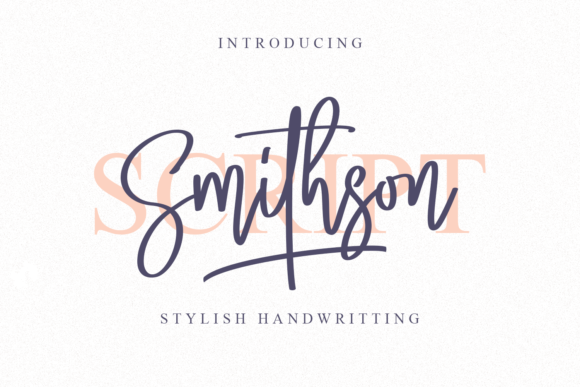
Smithson: A Modern Calligraphic Font for Timeless Design
In the crowded landscape of digital typography, finding a font that bridges classic elegance with contemporary flair is a significant discovery. Enter Smithson, an exquisite handwritten font masterfully designed to become a true favorite for designers and creatives. It maintains its classy calligraphic influences while feeling fresh and relevant, offering a versatile tool for a wide array of visual projects.
The Anatomy of a Versatile Typeface
Smithson’s strength lies in its balanced design. The letterforms flow with the organic rhythm of traditional calligraphy, yet they possess a clean, modern structure that ensures excellent readability. This duality makes it incredibly adaptable. Whether you are crafting a luxurious brand identity or a friendly social media graphic, Smithson provides the character and warmth of handwriting without sacrificing clarity.
A crucial feature enhancing its utility is that Smithson is PUA encoded. This means every glyph, swash, and stylistic alternate is fully accessible through standard software, eliminating technical barriers and unlocking a vast toolkit for customization. Designers can easily add flourishes, create unique ligatures, and achieve a bespoke look that feels entirely handcrafted.
Practical Applications Across Creative Projects
The true value of a font like Smithson is realized in its application. Its personality can be directed to serve numerous design goals, making it a potent asset in any creative workflow.
- Branding and Logo Design: Smithson can form the cornerstone of a brand’s visual identity, especially for businesses aiming for a personal, artisanal, or premium aesthetic. It injects authenticity into logos, business cards, and brand guidelines.
- Marketing and Digital Content: From email headers and promotional posters to social media graphics and digital ads, this font captures attention. It’s particularly effective for quotes, call-to-action buttons, and headlines that need an emotional punch.
- Editorial and Web Design: Use Smithson for pull quotes, chapter titles, or accent text in magazines, blogs, and website hero sections. It adds a layer of sophistication and visual interest that guides the reader’s eye and enhances the overall user experience.
- Packaging and Product Design: On labels, packaging, and merchandise, a handwritten font conveys craftsmanship and care. Smithson can make a product feel more human and connected, which is a powerful differentiator on shelves and in online stores.
Integrating Typography into Your Design Strategy
Selecting a font is a strategic decision that impacts visual hierarchy, brand perception, and communication effectiveness. When evaluating a typeface like Smithson, consider its role within your broader design system.
First, assess readability and scalability. A beautiful script must still be legible at various sizes, from a small caption to a large banner. Smithson’s thoughtful design supports this. Next, think about consistency and compatibility. How does it pair with your chosen sans-serif or serif body copy? Does it complement your color palette and imagery? The goal is harmony, not conflict.
Finally, always align your typography with your audience and goals. A playful, swashed version of Smithson might suit a children’s brand, while a cleaner style could work for a luxury service. The PUA encoding allows you to fine-tune this expression to match the exact tone you need.
Ultimately, investing in high-quality creative assets like Smithson is an investment in your project’s visual language. Thoughtful typography does more than just display words; it builds atmosphere, reinforces credibility, and creates a memorable connection with your audience. By choosing fonts with both aesthetic appeal and functional versatility, designers empower themselves to produce work that is not only beautiful but also strategically effective.